

Umulkhayr Mohamed is a Welsh Somali artist, and community organiser/facilitator who’s work explores the tension present between crafting paths towards emancipatory futures and a functional need to position oneself in the now. His was drawn to land justice as a place where they felt able to join the practicing of a spirituality rooted in animism and ancestral honouring, including our more-than-human ancestors with a politic grounded in inter species solidarity and collective liberation.
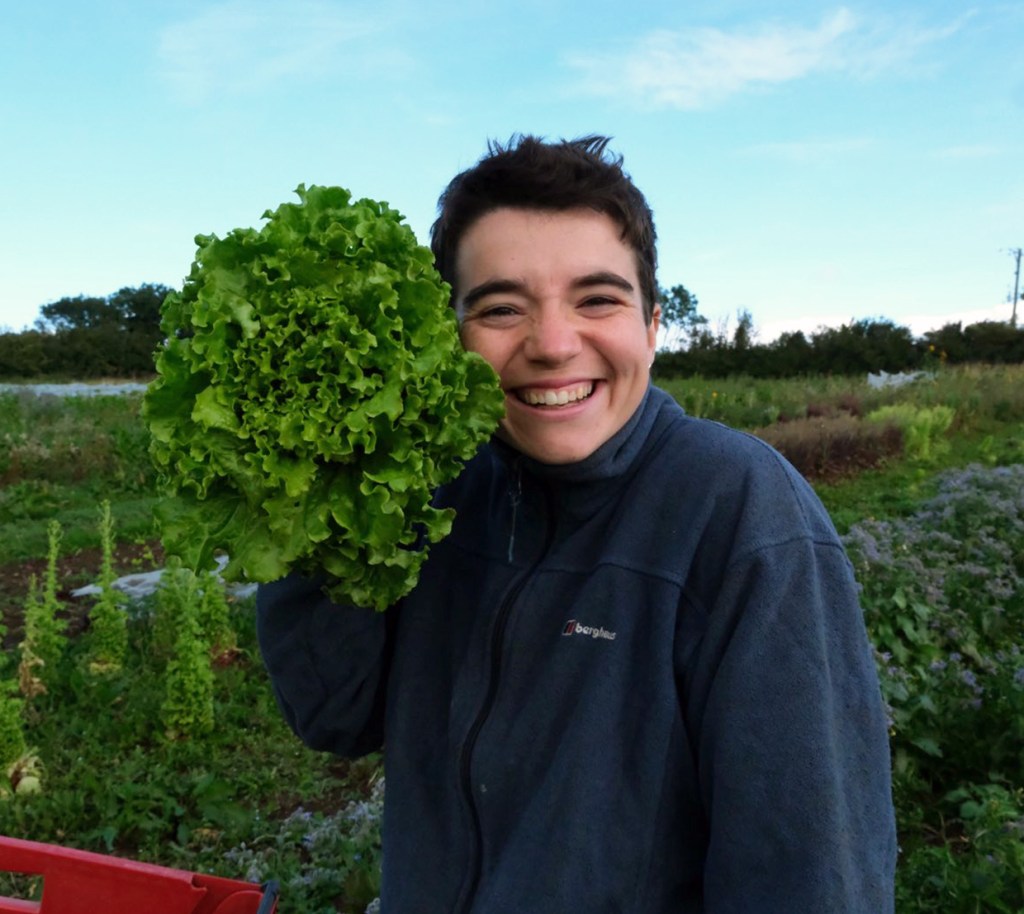
Ro Barnes has always loved the outdoors, plants and all things food! Tying these interests together they’re forging a livelihood growing organic vegetables at Coed Organic and Awen Organics. But as a queer person who grew in rural South Wales they know all too well the damaging homophobic, racist, and ableist forces at play in the welsh countryside and wants to play a role in re-making the land around us, so joined Teasel to help build a safe and nourishing home for all on our land!
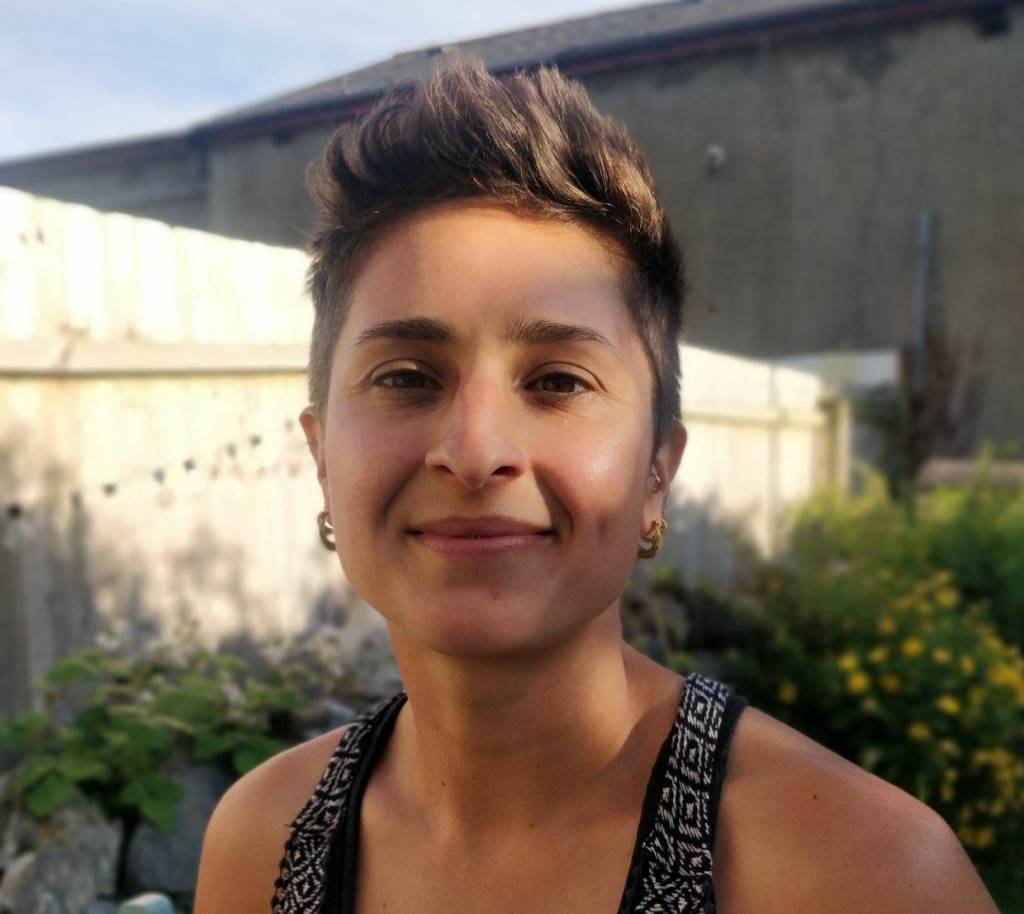
Ali Taherzadeh is a community food activist, facilitator, and agroecology researcher. They have recently finished a PhD exploring how to develop effective social movement organising capable of transforming the food system. Ali is part of Teasel as they believe in the power of land connection and grassroots political education in inspiring and supporting people to take collective action for land, food, and climate justice. This is particularly important for queer and other marginalised folk who can feel alienated in rural spaces and some spaces of political organising. Ali is particularly passionate about supporting peer to peer learning and community-building so people can develop the skills and knowledge needed to create ecologically sustainable and liberatory futures and feel empowered to take action.
Radha Patel is a storyteller and artist whose work intersects across colonialism, nature, religion, rituals, language, folklore and speculative futures. I joined Teasel because I believe in land and food justice, they’re the most pressing issues of our time and we have to organise ourselves and our communities to take practical actions to make sure everyone is cared for. The autonomy of all humans, plants, animals and insects is intimately connected, and I am excited to be part of a project that creates spaces for queer communities to build interspecies solidarity and bring all Beings together. By radically connecting to the delicate magic of Earth, we can recover past connections lost through colonisation and build new ones too.


Olive Magill is an ecologist with a great love of the outdoors and takes special interest in the plants, mosses, lichens and fungi that are too often overlooked but can tell you so much about the landscape, its health and history. She loves to share her enthusiasm for mosses in particular and teach others how to notice the little things around them and their significance. She believes that as a society, reconnecting with nature is the answer to both solving its rapid decline and the rapid decline of our collective mental and physical wellbeing. Foraging and growing our own food in sustainable ways is one way we can reconnect with nature and understand how to work with it, rather than control it. She completed a masters in Wildlife Conservation and Management two years ago and has worked in ecology since. She’s currently helping with research into effective blanket bog management for carbon storage and biodiversity and hopes to work with further land management and restoration projects in the future.
Beli Evans is a Welsh fat trans disabled writer, artist and performer who has worked in sustainability and activist communications for the last decade. They are a fat liberationist with a focus on how desirability politics repress and ostracise certain bodies, particularly human disabled, racialised, and fat bodies, and non-human ‘ugly’ creatures. Having grown up in the Welsh valleys but spending several of their adult years in the US, their understanding of land justice is informed by indigenous activist history as well as working class separation from land and growing in Wales.
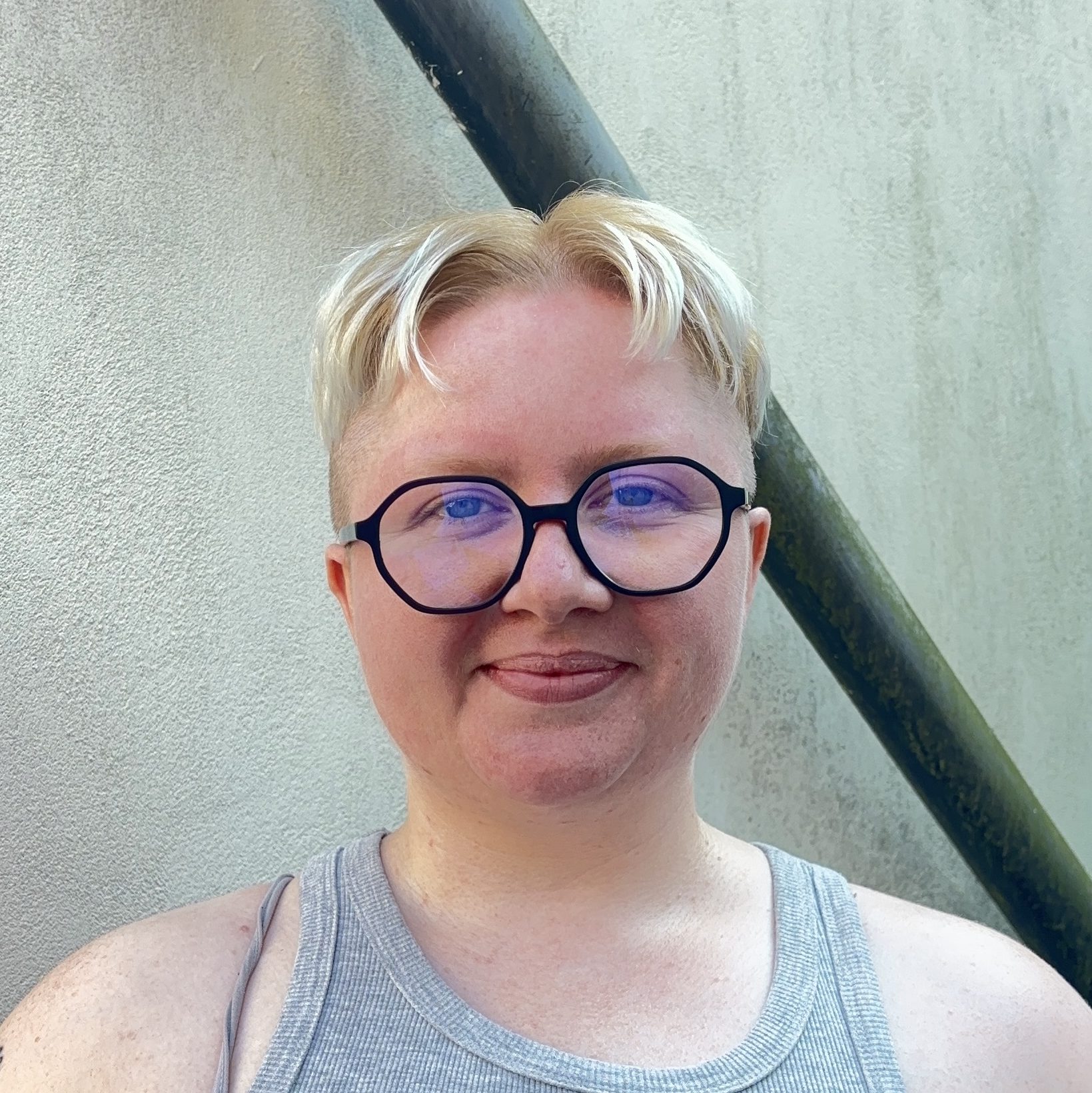

Alex Delimichalis is a queer, autistic, immigrant. Their activism is rooted in hands-on community care. They are interested in the intersections of queer ecology and decolonizing our relationship with the land. Alex is passionate about challenging colonial notions of nature and finding ways to reconnect with the earth while living in an urban environment. They value collective liberation and building resilient, joyful communities. For me, land and food justice is fundamentally about building inclusive and resilient communities where we collectively cushion the blows of capitalism while actively fueling our resistance. This work is about planting seeds—both literal and metaphorical—for a future rooted in care and collective liberation.

 teasel